


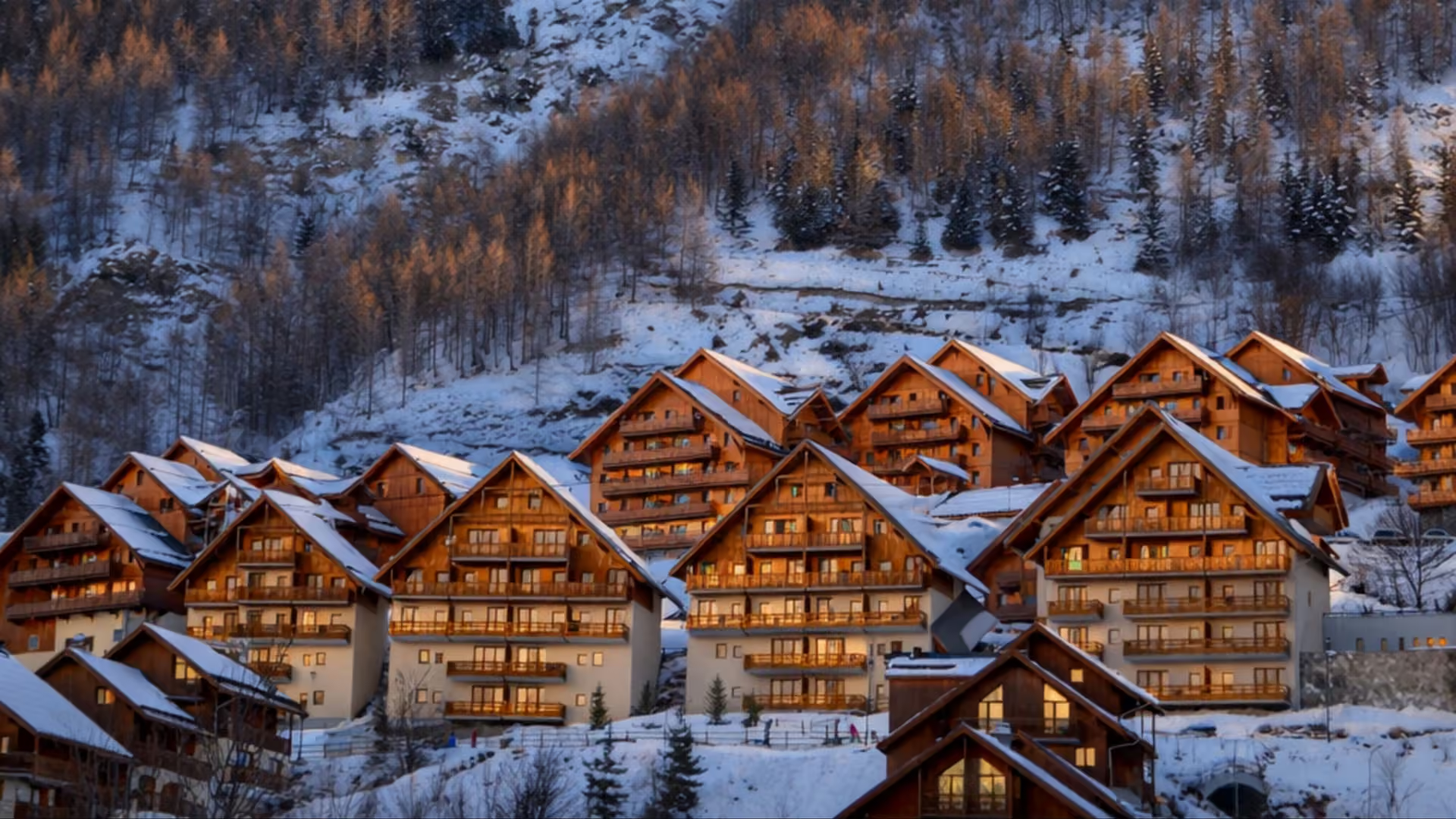
Selling a ski chalet in France means stepping into one of the world’s most iconic and resilient mountain property markets. From high-altitude resorts in the Northern Alps—such as Chamonix, Val d’Isère, Tignes, Courchevel, Méribel, Val Thorens, Les Gets, and Morzine—to quieter family-friendly stations in the Southern Alps, the Vosges, or the Pyrenees, French alpine real estate carries enduring international prestige. Skiing and mountain living enjoy passionate followings across dozens of countries, meaning the right buyer for your chalet does not have to live in France—or even in Europe.
At the same time, selling a French ski chalet involves details that catch many owners off guard. Alpine properties sit within specific town-planning frameworks, mountain safety and environmental rules, co-ownership structures (copropriété), seasonal rental markets, and French tax and notaire procedures. A well-planned sale aligns realistic pricing, complete legal and technical paperwork, smart renovation and energy-efficiency preparation, and international multi-language marketing—including listing with established global portals such as Esales International—so your chalet reaches qualified buyers wherever skiing and mountain life are loved.
1. Understand the French Ski Chalet Market Before You List
Before setting an asking price or choosing an agent, take an objective look at what buyers in the French mountains are looking for today.
High-Altitude vs. Mid-Altitude and Four-Season Appeal
In alpine real estate, elevation and snow reliability remain top priorities for winter skiers, while year-round appeal has become just as influential. Buyers increasingly ask how a resort performs outside the winter ski season:
-
High-altitude resorts and glacier-linked domains tend to command strong price resilience and winter rental demand.
-
Four-season mountain villages—offering summer hiking, mountain biking, road cycling, trail running, golf, lake access, or wellness spas—attract buyers who want to use their chalet across multiple seasons rather than just a few winter weeks.
Chalet vs. Apartment in a Ski Residence
Standalone chalets—or semi-detached/chalet-style properties—typically appeal to buyers seeking privacy, land, parking/garages, outdoor space, and strong lifestyle or luxury rental potential. However, standalone chalets can also carry higher maintenance responsibilities (such as roof snow-load upkeep, exterior timber/stone care, driveway snow clearing, and heating costs) than an apartment managed by a building syndic. Highlighting how manageable and well-maintained your chalet is helps put prospective buyers at ease.
Why International Demand Matters So Much for Alpine Property
Skiing is a truly global sport and lifestyle. Enthusiasts and property buyers come not only from France, but from the United Kingdom, Switzerland, Belgium, the Netherlands, Germany, Scandinavia, the United States, Canada, Australia, and beyond. Many overseas buyers are drawn to the French Alps for:
-
Direct flight and rail connections from major European hubs and international airports (such as Geneva, Lyon, Chambéry, and Grenoble).
-
World-class ski domains, French gastronomy, and established resort infrastructure.
-
A mix of personal family holidays, multi-generational gatherings, and potential short-term or seasonal rental income.
Because skiing is popular worldwide, relying solely on local word-of-mouth or a single local noticeboard can leave serious global buyers unaware that your chalet is on the market.
2. Value Your Chalet Realistically
One of the most common mistakes sellers make is pricing a chalet based on emotional attachment, peak-market hopes, or the total sum of every improvement made over the years rather than what buyers are willing to pay right now.
Key Factors That Shape a Chalet’s Value
-
Location Within the Resort & Ski Access: Ski-in/ski-out access, proximity to main lifts, shuttle routes, or the village centre, and sun exposure (south/southwest-facing aspect and unobstructed mountain views) strongly influence value.
-
Size, Layout & Practical Alpine Features: Bedroom and bathroom count, bunk/family space, open-plan living areas, outdoor terrace/balcony space, ski room (ski locker with boot warmers), garage/parking spaces, and storage all play a major role.
-
Condition, Build Quality & Interior Style: Buyers compare turnkey, modernised chalets with authentic alpine charm against dated interiors that require major work.
-
Energy Performance (DPE) & Heating Systems: Heating costs in the mountains can be substantial. Properties with modern heating systems, good insulation, and favourable energy ratings face less buyer pushback—especially with France’s tightening energy-efficiency rules for rentals and mandatory energy diagnostics/audits on certain properties.
-
Rental Potential & Existing Bookings: If your chalet has a track record of seasonal or short-term holiday lets—or sits in an area with strong rental demand—documented income figures can help investor-minded lifestyle buyers justify the purchase. Conversely, if local municipal rules restrict short-term furnished tourist rentals (meublés de tourisme) or require registration/change-of-use permissions, buyers will factor that in.
-
Comparable Sold Prices (DVF & Local Comps): Asking prices are only half the story; actual completed sale prices for similar chalets in the same resort or valley provide the most reliable benchmark.
Price for Early Momentum
When a chalet enters the market at a realistic, well-supported price, it attracts serious enquiries while the listing is fresh. Overpricing often leads to months on the market, stale portals, and eventual price cuts that signal desperation to buyers.
3. Prepare Your Paperwork, Diagnostics, and Legal Checks Early
In France, property sales follow a structured legal process overseen by a notaire (a public officer who drafts deeds, verifies title, collects taxes, and registers ownership). Gathering your documents early prevents frustrating delays once a buyer makes an offer.
Mandatory Technical Diagnostics (Dossier de Diagnostic Technique — DDT)
Depending on the property type, location, and age of the building, French law requires specific diagnostic reports to be provided to the buyer (often at the preliminary contract stage or completion, depending on the diagnostic):
-
DPE (Diagnostic de Performance Énergétique): Energy performance rating (from A to G) and estimated energy usage. Note that France’s DPE methodology includes ongoing reforms—including adjustments affecting electrically heated homes—so check that your certificate is valid and up to date.
-
Energy Audit (Audit Énergétique): Required when selling certain individual houses or whole buildings rated in lower energy brackets (such as F or G, and expanding to E under France’s schedule).
-
Asbestos (Amiante), Lead (Plomb for older properties), Termites (where applicable), Electricity & Gas installations (where over 15 years old), and Risk/Pollution disclosures (ERP): In mountain municipalities, natural hazard disclosures (such as avalanche, landslide, flood, or seismic zones under local risk plans) are especially important.
Title, Land, Boundaries, and Planning Checks
Make sure you have clear documentation covering:
-
Your title deed (titre de propriété) and plot boundaries (cadastre).
-
Building permits (permis de construire) and declarations of completion/conformity for any extensions, verandas, garages, basements, or structural changes made over the years. Unpermitted alterations can delay or complicate a sale.
-
Co-ownership / ASL (Association Syndicale Libre) documents: If your chalet sits within a lotissement (housing development) or shared domain with communal roads, snow clearing, lifts, or amenities, buyers and notaires will review shared rules, budgets, and any unpaid charges.
-
Existing mortgage or loan payoff details: If there is a mortgage on the chalet, your notaire will coordinate discharge/repayment at completion.
4. Decide Whether to Refresh, Repair, or Sell As-Is
You do not always need a full renovation to sell a ski chalet—sometimes targeted preparation delivers a strong return, while over-improving can cost more than it adds.
High-Impact, Low-Friction Improvements
-
Declutter, depersonalise, and deep-clean: Clear out excess personal items, ski gear clutter, and dated knick-knacks so rooms feel spacious, bright, and inviting.
-
Fix visible maintenance issues: Repair dripping taps, broken shutters, cracked tiles, burnt-out bulbs, or scuffed paintwork so buyers see a well-cared-for home rather than a list of chores.
-
Showcase alpine lifestyle zones: Make sure the boot/ski room, outdoor deck or hot tub (if applicable), fireplace/stove area, and main living space look warm, welcoming, and functional.
-
Provide clear running-cost summaries: Having transparent figures for heating, electricity, local taxes (taxe foncière and taxe d’habitation where applicable for second homes), insurance, and maintenance builds trust.
When to Consult a Professional Before Doing Works
If your chalet has a low DPE rating, dated heating, or major structural/roof work needed, get a valuation and ask a local agent or notaire whether pricing realistically for works or completing targeted upgrades makes more financial sense—especially given seasonal construction windows and contractor lead times in mountain resorts.
5. Understand Taxes and Selling Costs in France
Knowing your likely selling costs and tax obligations upfront allows you to calculate your true net proceeds before accepting an offer.
Capital Gains Tax (Plus-Value Immobilière) & Social Levies
When selling a second home or holiday chalet in France at a profit, individual sellers are generally subject to French capital gains tax (typically 19% income tax component) plus social levies (generally 17.2% for standard private real estate, or lower solidarity levy rates where qualifying EU/EEA/Swiss or treaty social-security conditions apply), unless an exemption applies (such as holding the property for the full statutory exemption periods, or qualifying for specific exemptions).
-
Holding-period allowances (abattements pour durée de détention): Tapered relief reduces the taxable gain year by year after the fifth year of ownership—reaching full exemption from the 19% capital gains tax after 22 years and full exemption from social levies after 30 years. A surtax can also apply on larger net taxable gains above statutory thresholds.
-
Allowable deductions: Acquisition costs (actual notary costs or a standard flat-rate allowance) and qualifying improvement/construction works (with invoices or flat-rate rules after five years of ownership, depending on eligibility) are factored into the calculation, and the notaire typically calculates and withholds any tax due at completion.
-
Fiscal representative (for non-residents): Depending on your country of residence, sale price, and current French rules, non-resident sellers may need an accredited fiscal representative (représentant fiscal) to guarantee tax payment, which involves a fee.
Because French tax rules depend on your exact ownership dates, residency, purchase records, and how the property was used, always ask your notaire or a cross-border tax adviser for an estimate early in the process.
Other Potential Costs to Budget For
-
Estate agency / marketing fees: Clarify who pays agency fees (seller or buyer, depending on how the mandate is written) and check commission rates and terms carefully.
-
Mandatory diagnostics & surveys: Paid by the seller.
-
Mortgage release / discharge costs: If paying off a loan secured on the chalet.
6. Market Internationally to Attract Global Ski Buyers
Skiing is a global passion, and international buyers actively search online for mountain homes in France throughout the year—not just during peak snow months. Many buyers start looking in late summer or autumn ahead of the winter ski season, or in spring as they plan next winter’s trips.
Why International Marketing Works for French Ski Chalets
-
Wider buyer pool: Domestic demand in a specific resort can be seasonal or price-sensitive. International buyers from the UK, Northern Europe, North America, and other ski-loving nations expand your audience dramatically.
-
Lifestyle + long-term appeal: Global buyers often look for a place to gather family and friends, escape city life, and hold a tangible asset in a world-famous alpine destination.
-
Multi-language reach: Many overseas buyers search in their own language or browse international portals in English, French, German, Dutch, Spanish, or other languages. Clear, well-translated listings remove friction and help buyers understand the property, resort access, and layout immediately.
How to Make Your Chalet Stand Out to Global Buyers
-
Invest in high-resolution photography and video: Capture bright, inviting interior shots, spacious bedrooms and bathrooms, outdoor living areas, mountain views, and—if available—winter snow scenes as well as green-season views so buyers see year-round charm.
-
Include a clear floor plan and practical details: State exact living area, plot size, number of bedrooms/bathrooms, parking/garage availability, distance to lifts/village, and nearest airports or train stations.
-
Tell the story of the resort and lifestyle: Highlight ski domain size, snow reliability, summer activities, dining/après-ski atmosphere, and travel convenience.
7. List on Top Global Portals—Including Esales International
To capture worldwide interest, your chalet needs visibility beyond a single local agency window. Combining local knowledge with international property portals puts your listing in front of global buyers actively browsing overseas homes.
Esales International is one of the prominent online portals to consider when marketing overseas property for global exposure. Designed to help sellers reach international buyers and investors online, listing with a portal like Esales International can help showcase your French ski chalet to an international audience searching for properties abroad—complementing local French agents, targeted digital marketing, and direct buyer enquiries.
When evaluating portals and agents, check:
-
Global & multi-language reach: Does the platform attract international buyers looking at French and alpine real estate?
-
Clarity of listing terms & costs: Understand upfront fees, subscription or package terms, contract length, and how enquiries are handled.
-
Responsiveness: Make sure enquiries from different time zones receive prompt, helpful answers—ideally with clear property facts, photos, and viewing options ready to share.
8. Manage Viewings, Offers, and the French Sale Process Smoothly
Once international and local marketing brings in enquiries, having a clear process keeps momentum moving toward completion.
Handling Remote & International Viewings
Overseas buyers often begin with virtual viewings (live video walk-throughs via WhatsApp, FaceTime, or Zoom) before flying in for an in-person visit. Be prepared to:
-
Show key rooms, storage areas, views, and surrounding access clearly on video.
-
Share floor plans, utility details, and location pins in advance.
-
Coordinate in-person visits around flight schedules and school/ski calendars.
From Offer to Compromis de Vente and Final Deed
-
Offer & negotiation: Once price and key conditions (such as contents/furniture included or excluded, and target completion timing) are agreed, your agent or notaire records the terms.
-
Preliminary contract (compromis de vente or promesse de vente): Drafted by the notaire, this legally binding preliminary agreement sets out the price, property details, diagnostics, conditions precedent (such as the buyer obtaining mortgage financing, if applicable), and timelines. A deposit (commonly around 5%–10% of the purchase price) is typically held securely by the notaire.
-
Pre-emption checks & due diligence: Local authorities or co-ownership bodies may have statutory pre-emption rights (droit de préemption) depending on the zone, and the notaire completes legal, title, and tax checks.
-
Final completion (acte authentique de vente): Typically around 2 to 3 months after the preliminary contract (depending on financing, searches, and scheduling), both parties—or their representatives via power of attorney (procuration)—sign the final deed before the notaire, funds are transferred, and keys are handed over.
9. A Practical Action Checklist for Selling Your Chalet
-
Gather core documents: Title deed, building permits/approvals, co-ownership/association papers, utility/tax bills, and rental records (if rented).
-
Arrange required diagnostics: Book your DPE and other required technical reports in good time.
-
Benchmark realistic pricing: Review comparable sales and factor in condition, energy rating, and resort appeal.
-
Prepare the chalet & visuals: Tidy, declutter, handle minor repairs, and capture strong photos/video.
-
Launch global marketing: Market across channels that reach worldwide ski buyers, including international portals such as Esales International, alongside trusted local representation.
-
Work closely with your notaire: Confirm capital gains tax/social levy estimates, diagnostic completeness, and completion timelines early.
Disclaimer: This article is for general informational purposes only and does not constitute legal, tax, financial, or real estate advice. Property, tax, energy-rating, and planning regulations in France are detailed and subject to change; always consult a qualified French notaire, tax adviser, or licensed real estate professional regarding your specific property and circumstances.
